
The Returns Policy Is a Product Page
People do not only buy the object. They buy the way home if the object is wrong. A policy in the footer is a product you hid.

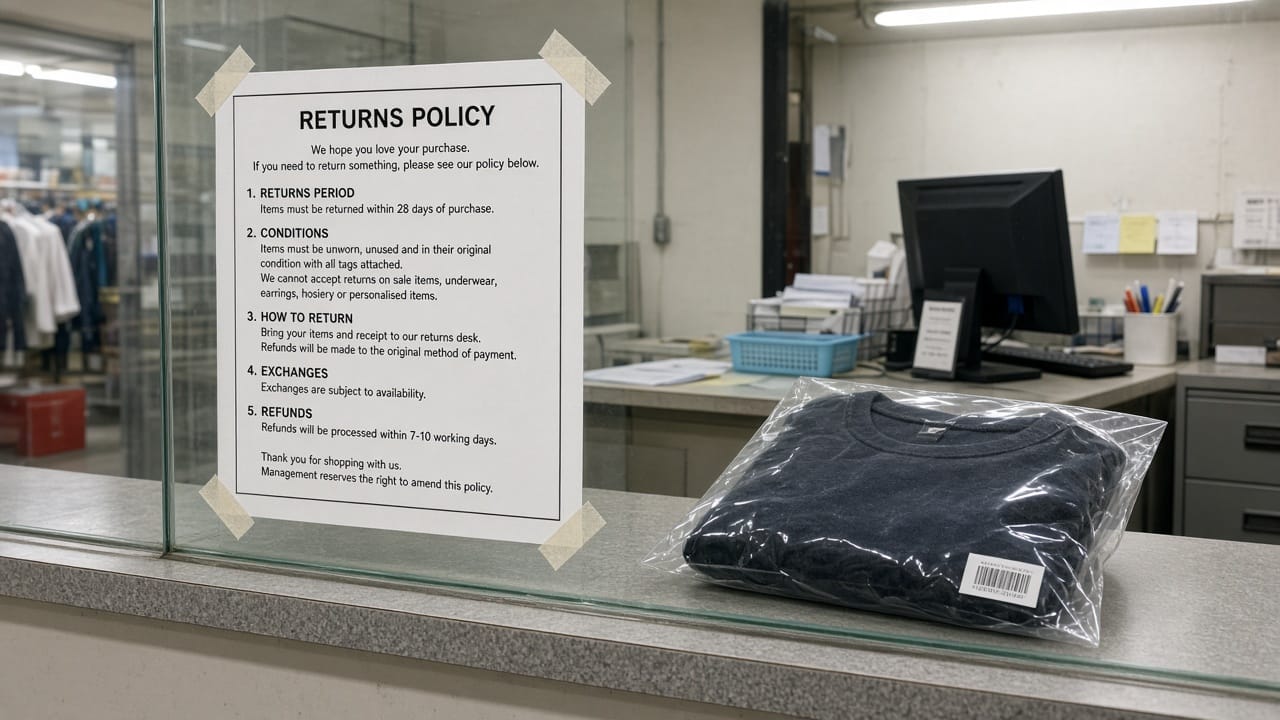
People do not only buy the object.
They buy the way home if the object is wrong.
A policy buried in a footer, in a lawyer's sentence, is a product you hid until it was too late.
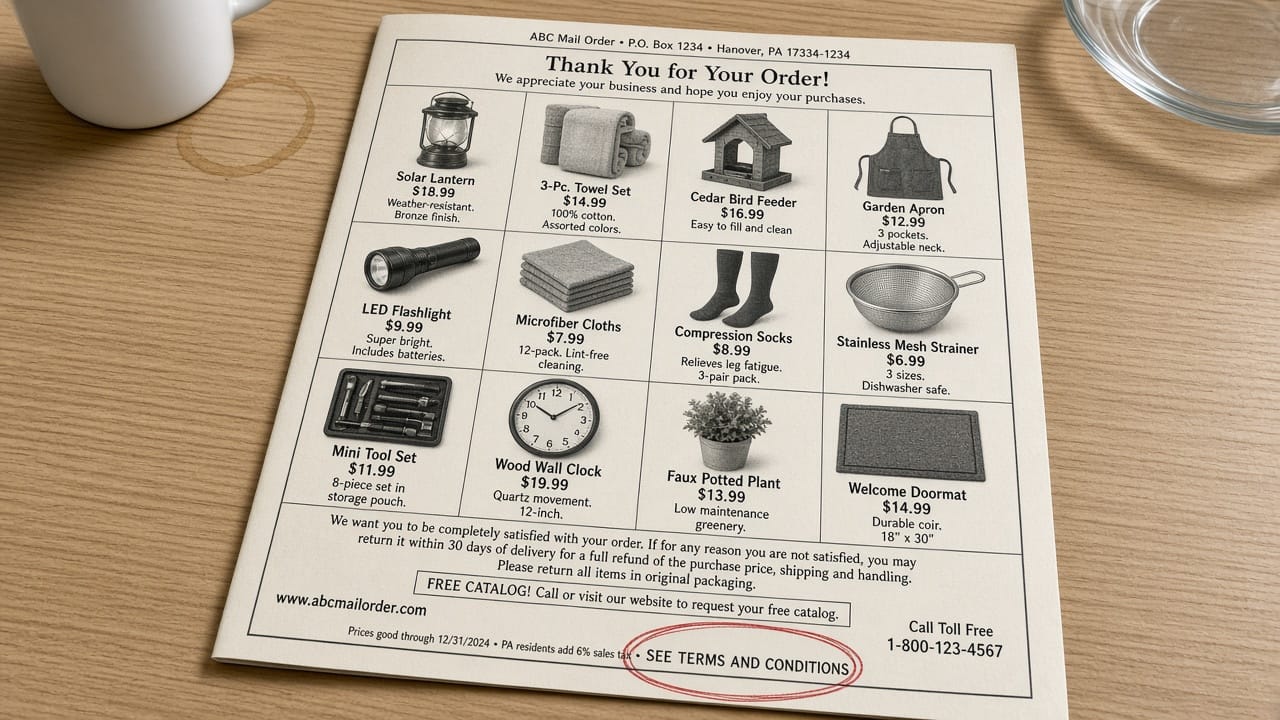
The campaign says try it.
The footer says see terms.
Those are two different stores.
The person who believed the first and met the second does not write you a note.
They just do not come back — or they come back in a box.
We already argued that every return is a design review.
This is the page that should have told the truth before the box.
A policy you hide is a price you hid.
People price the risk of being stuck with the object.
If you will not say the way home, they assume there isn't one.
The number on the policy, not the warehouse
Baymard records 13% of remaining abandonments as returns policy wasn't satisfactory.
That is before anyone has a parcel.
It is a reading of the rules.
On the product page itself, the same institute found 44% of sites do not show or link to return information where the person is actually deciding.
Of the sites that did link, 10% used jargon a customer could not use.
You can have a generous policy and still lose the sale, if the generous sentence is in a PDF.
What a usable policy looks like
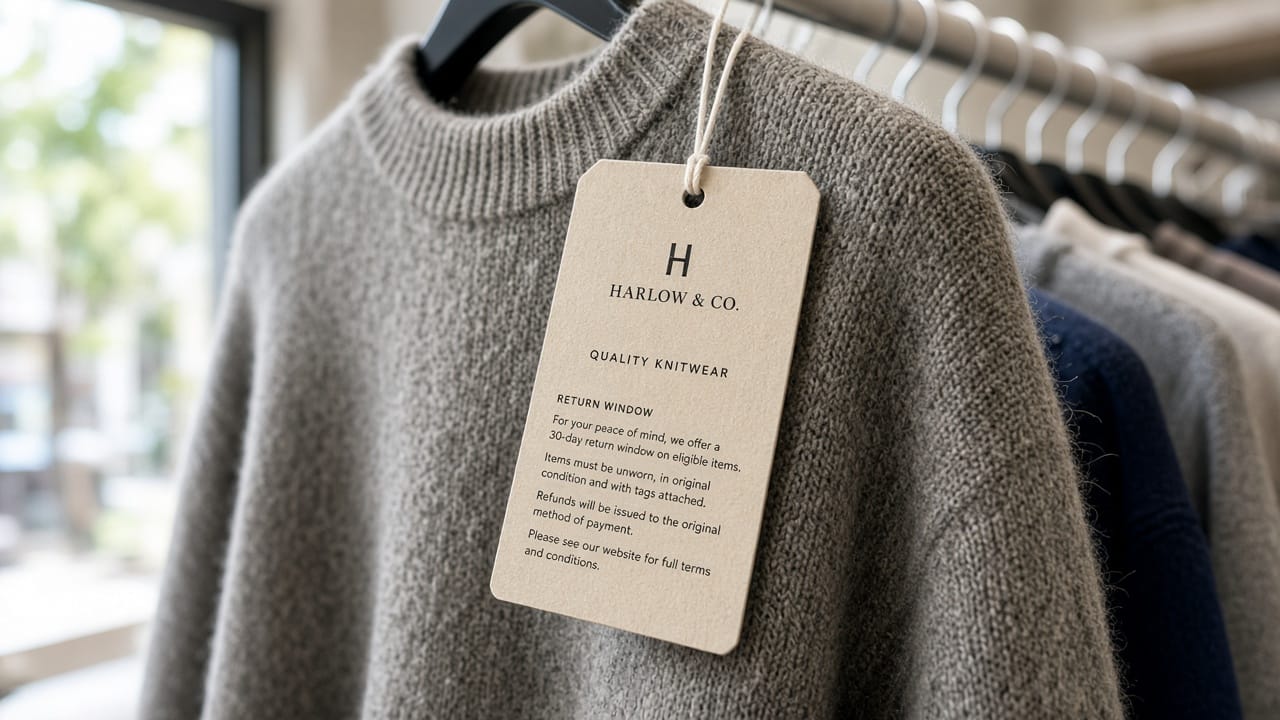
A link on the PDP, next to the price, in the type of the price.
A length of time a human can plan around.
Who pays the label.
What "unopened" means for a cream.
What "used" means for a sofa.
No theatre.
A free return that is free only after a form and a wait is not free.
Say the cost.
If the cream cannot come back once the seal is broken, write that next to add to bag, not in a PDF named agb.pdf.
This is the same craft as the consent screen and the price that includes the tax.
The first time you explain the deal should be the honest time.
How we think about it at BuonaLabs
We put the way home on the page that asks for the card.
If a policy cannot be said in four lines, it is not ready for a customer.
If a client wants the soft promise in the campaign and the hard one in the footer, we ask which one they want to be sued with — and which one they want to be believed.
The returns policy is a product page.
Sell it where you sell the rest.
Sources
https://baymard.com/lists/cart-abandonment-rate
https://baymard.com/learn/ux-statistics
BuonaLabs is a digital innovation studio in Lübeck, Germany, building product pages, digital twins, and commerce experiences that try to tell the truth about the object. If this is the work you are trying to do, let's talk.