
Google Is Already on the Product Page
A lot of customers will meet the product in a search panel, not in your layout. If the facts are not data, Google will guess or skip you.

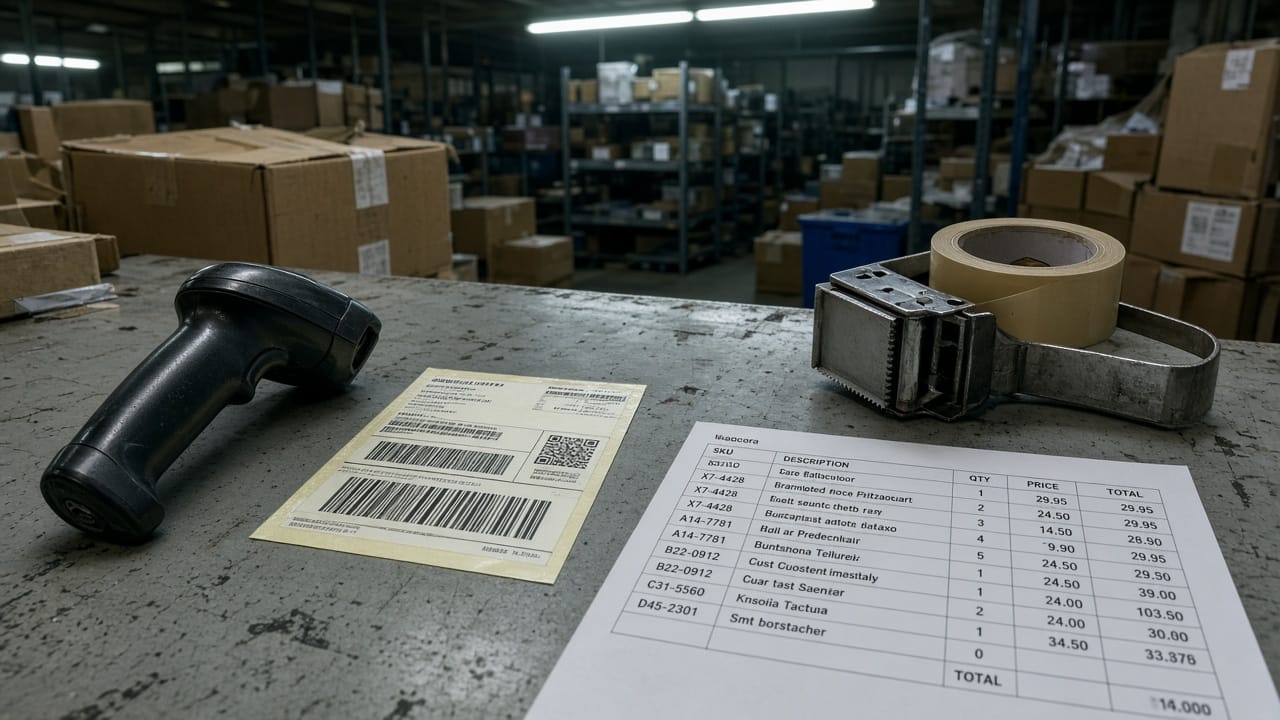
A lot of customers will meet the product in a search panel, not in your layout. Price, stock, shipping, returns
if those facts are not in the page as data, Google will either guess or skip you. The store they saw was never the one you designed.
You composed a hero.
They saw a grey card in Search: a title, a price, a green in stock, a delivery line.
They compared you with two other cards.
They never loaded your CSS.
This is not the agentic-commerce story we already told — the customer who never opens the site.
That customer sent a model.
This one sent Google.
The job is older and more ordinary, and most catalogs still fail it.
What Google actually asks for
Google's merchant listing documentation is not a growth hack.
It is a list of facts a product page must be willing to state in a form a machine can parse: a `Product` with a nested `Offer` — name, image, price, currency, availability, condition.
Shipping and return information can ride along. Merchant listings, Google writes, can appear in Search, Images, popular products, the shopping knowledge panel.
Merchant Center's own structured-data help is explicit about the match: the markup on the page and the feed in the Center have to agree.
Price, currency, availability, condition are required if you want automatic item updates.
A pretty page that says "sold out" in a banner and "InStock" in the JSON is not a store.
It is two stores arguing.
This is the same discipline as a price that includes the tax and a shade that is a claim.
The number in the data has to be the number in the room.
What this is not
It is not "add a plugin and get rich results."
Plugins emit whatever the theme had lying around.
A missing GTIN, a stale availability, a price without currency, an offer on a category page — Google's own guidelines tell you those pages are the wrong shape. Merchant listings want a single offer on a product URL, or variants that are actually identified.
It is also not a reason to starve the human page.
The card in Search is a door.
The page still has to survive the person who walks through it.
If the structured price is honest and the on-page price is a strikethrough costume, you have just trained Google to advertise a fight.
How we think about it at BuonaLabs
We build one object.
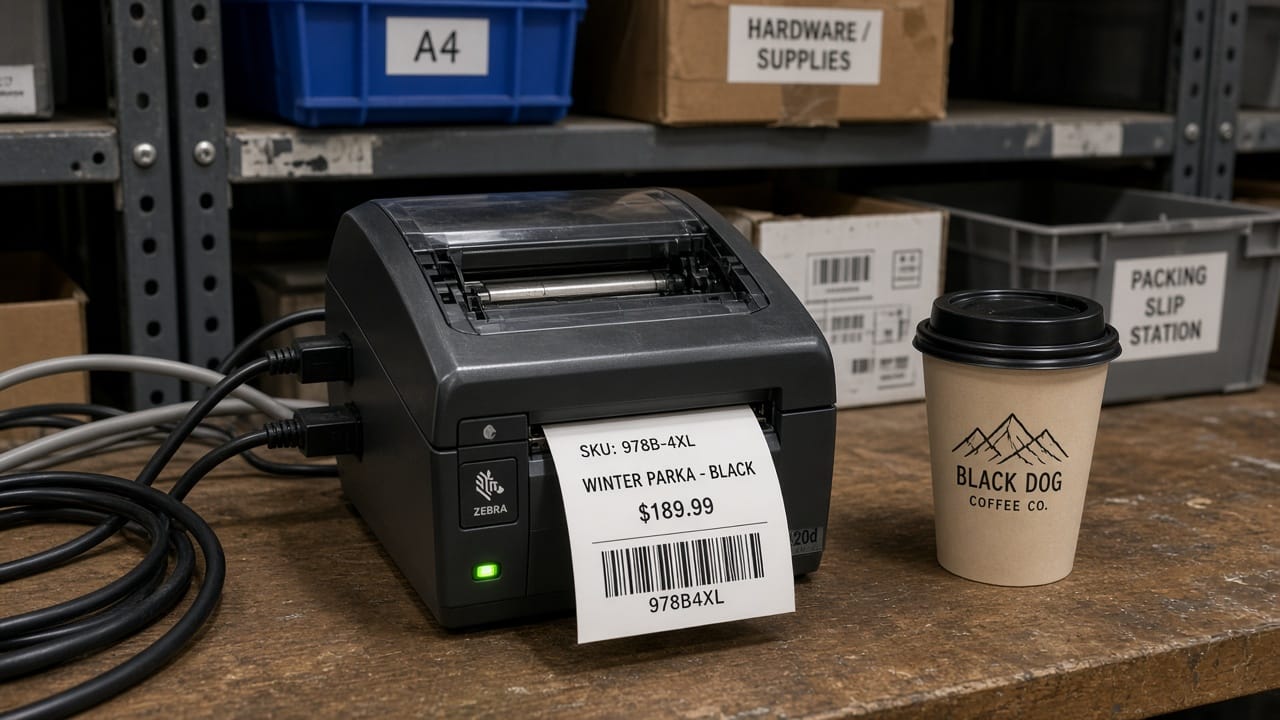
The catalog holds the SKU, the price, the stock, the return rule.
The page reads it.
The JSON-LD reads it.
The feed reads it.
If a fact cannot be said in all three places, it is not a fact yet.
Google is already on the product page.
Give it the same truth you give the customer, or it will take the truth from someone more careful.
Sources
https://developers.google.com/search/docs/appearance/structured-data/merchant-listing
https://support.google.com/merchants/answer/7353427
BuonaLabs is a digital innovation studio in Lübeck, Germany, building product pages, digital twins, and commerce experiences that try to tell the truth about the object. If this is the work you are trying to do, let's talk.