
A Review Without a Purchase Is an Ad
Stars are testimony. If you cannot say who spoke and whether they bought the thing, you are publishing a campaign.

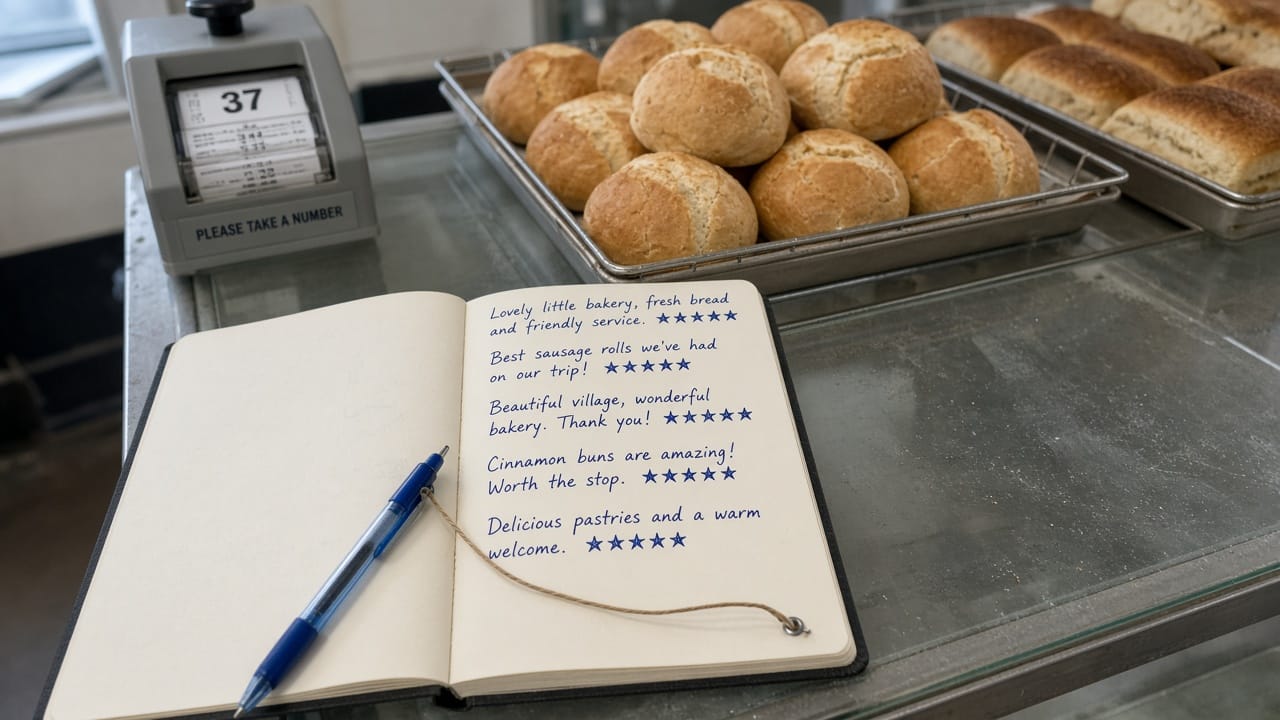
Stars are not decoration.
They are testimony.
If you cannot say who spoke, and whether they bought the thing, you are not publishing reviews.
You are publishing a campaign with a serif font.
A row of yellow stars next to a serum will outsell a paragraph you wrote yourself.
That is why the row is now a regulated object.
If the stars came from a person who paid, in a process you can explain, they are a review.
If they came from a freelancer, a seed account, a filter that ate the two-star notes, or a "leave a review and get 15%" loop you do not disclose — they are an ad.
The law has caught up with the difference.
Most pages have not.
What Brussels already measured
In January 2022 the Commission and national consumer authorities swept 223 major sites.
On 144 of them, authorities could not confirm that the trader was doing enough to ensure reviews came from people who had actually used the product.
118 sites said nothing about how fake reviews were prevented. Authorities concluded that at least 55% of the checked sites potentially violated the Unfair Commercial Practices Directive.
They had doubts about another 18%.
That sweep was the warning.
The text arrived with it.
Directive (EU) 2019/2161 — in force for these purposes from 28 May 2022 — makes two things explicit.
If you show consumer reviews, you must say whether you have a process to check that they come from people who used or bought the product, and how that process works. And it is an unfair practice to claim that you checked when you did not take reasonable steps — or to submit fake reviews, commission them, or hide the bad ones.
Recital 47 is the useful sentence: consumers rely on reviews, so traders who publish them owe an account of the filter.
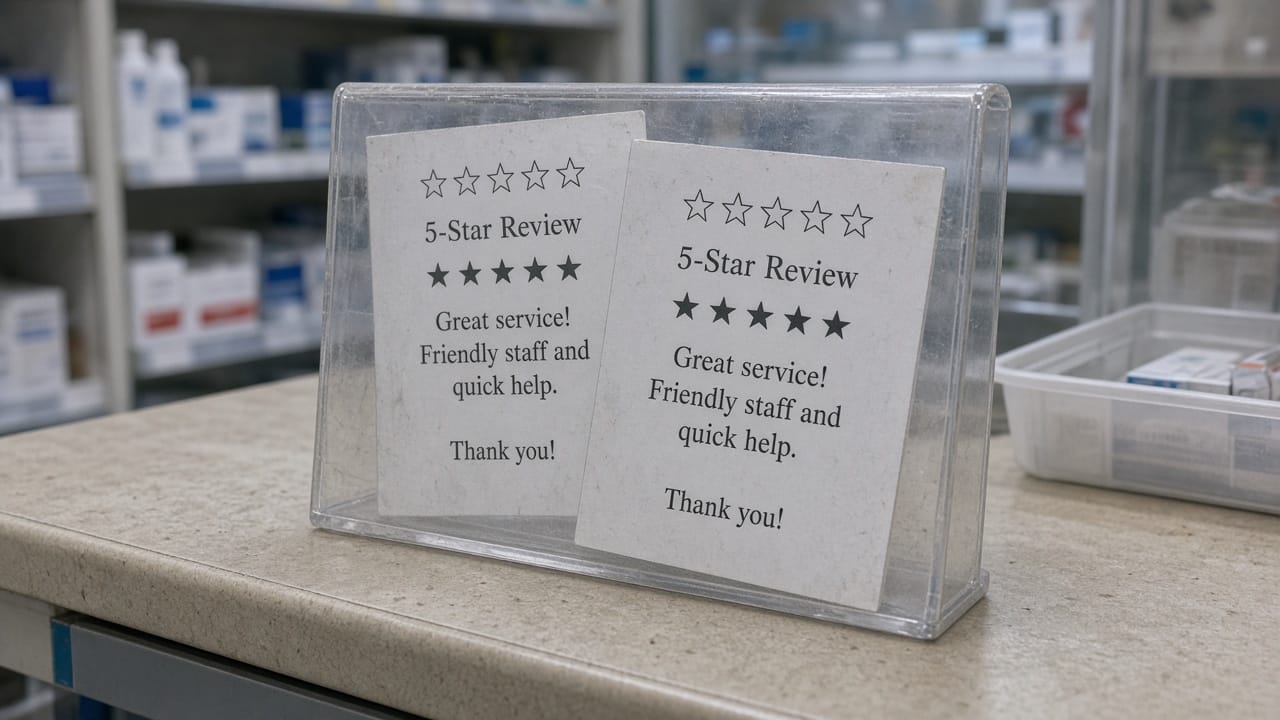
What a grown-up review block does
It says verified buyer only when a order exists.
It publishes the one-star next to the five.
It names incentives.
A discount for a review is not illegal if you say it is a discount for a review.
It is illegal as a secret.
It does not average its way to 4.8 by deleting Tuesday.
It does not paste the same three sentences under twenty SKUs.
We already argued that the consent screen is the homepage.
The review block is the same problem one scroll lower: the first social proof is a test of whether the house tells the truth.
How we think about it at BuonaLabs
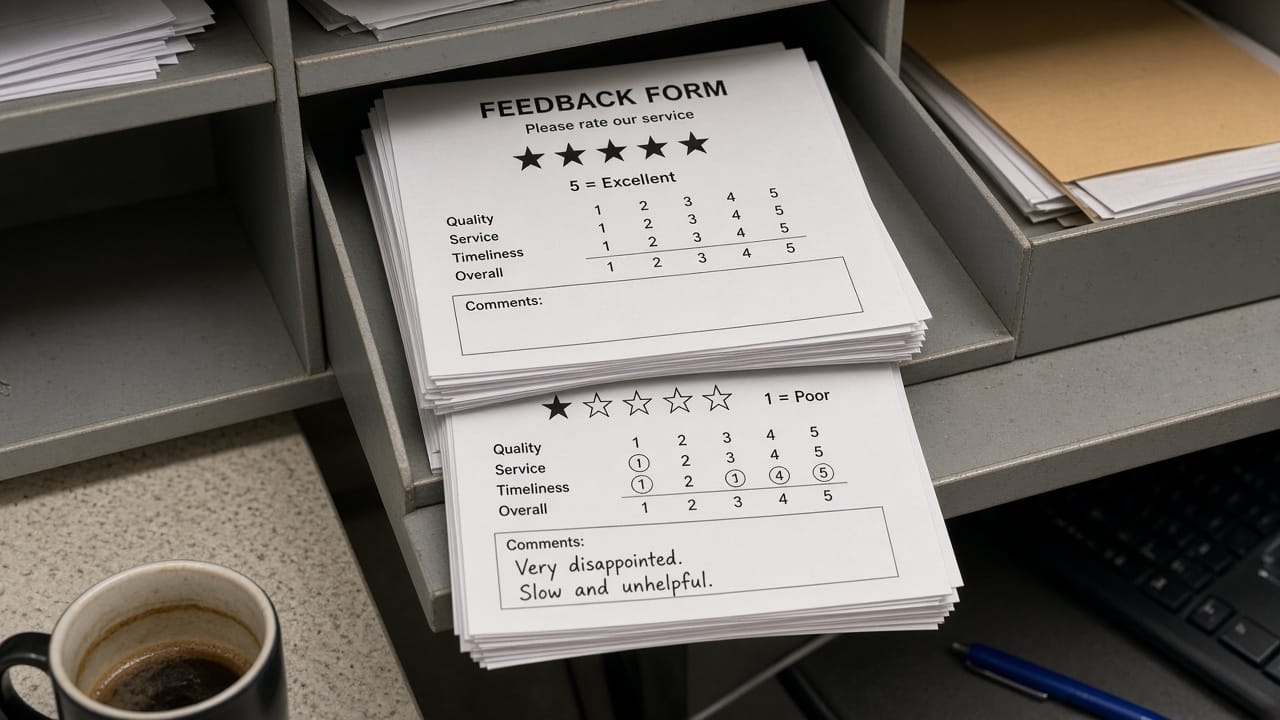
We would rather ship a product page with twelve honest reviews than a carousel of fifty that cannot survive a question.
If a client cannot explain the verification in a sentence a customer would believe, we do not put "verified" on the stars.
If they want UGC, we build the path from the order, not from a campaign brief.
A review without a purchase is an ad.
Label it, or do not run it.
Sources
https://ec.europa.eu/commission/presscorner/detail/en/ip_22_394
https://eur-lex.europa.eu/eli/dir/2019/2161/oj
BuonaLabs is a digital innovation studio in Lübeck, Germany, building product pages, digital twins, and commerce experiences that try to tell the truth about the object. If this is the work you are trying to do, let's talk.