
Translation Is Not Localization
A German page that is English with shorter words is not a German store. It is a tourist menu.

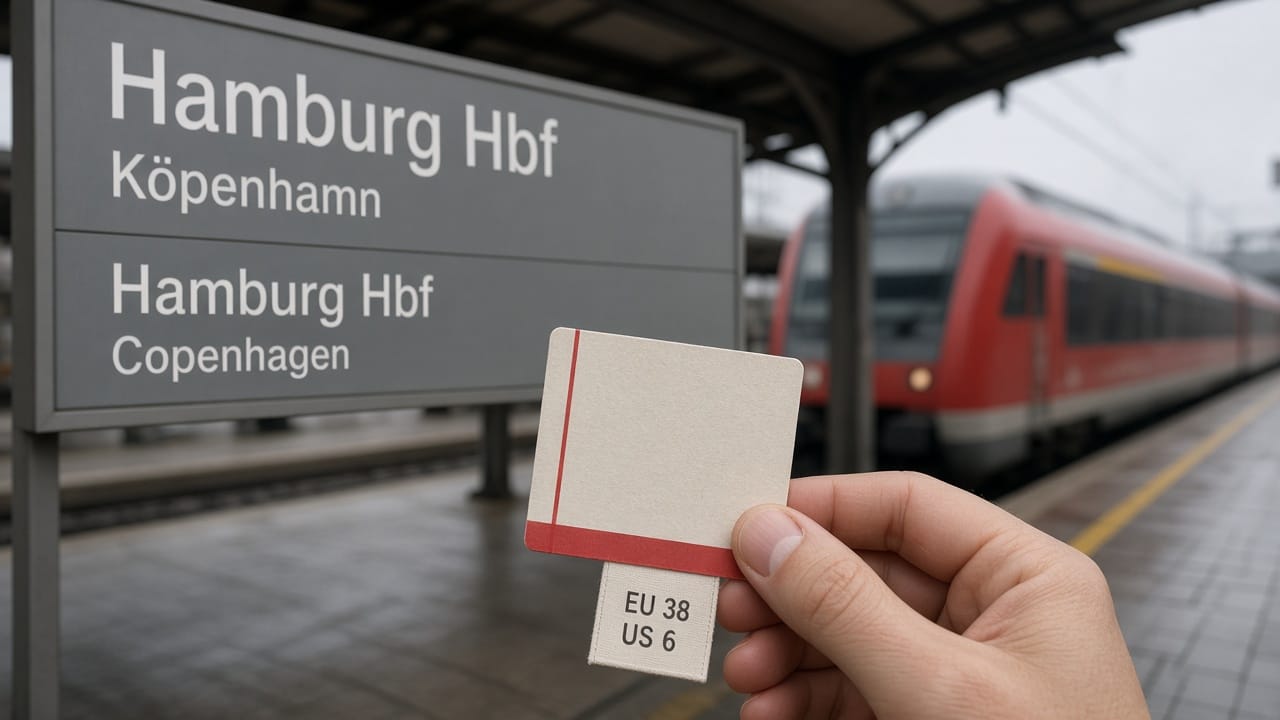
A German page that is English with shorter words is not a German store.
It is a tourist menu.
The customer can smell it in the VAT, the returns, the size, and the joke that does not land.
Localization is not a language toggle.
It is whether the price is the price they will pay.
Whether the return is the return they can use.
Whether the shade name means something in their mouth.
Whether the legal sentence is the one that applies to them, not to California.
If you only translate, you have built a costume.
The cost of being almost understood
CSA Research's Can't Read, Won't Buy (2020, 8,709 consumers, 29 countries) is still the clearest public number: 76% of shoppers prefer to buy in their own language, and 40% will never buy from sites in other languages.
That is not a preference for poetry.
It is a refusal to take a risk they cannot read.
The same study is usually quoted as a translation brief.
It is a trust brief.
People will not give you a card if they cannot tell what they have agreed to.
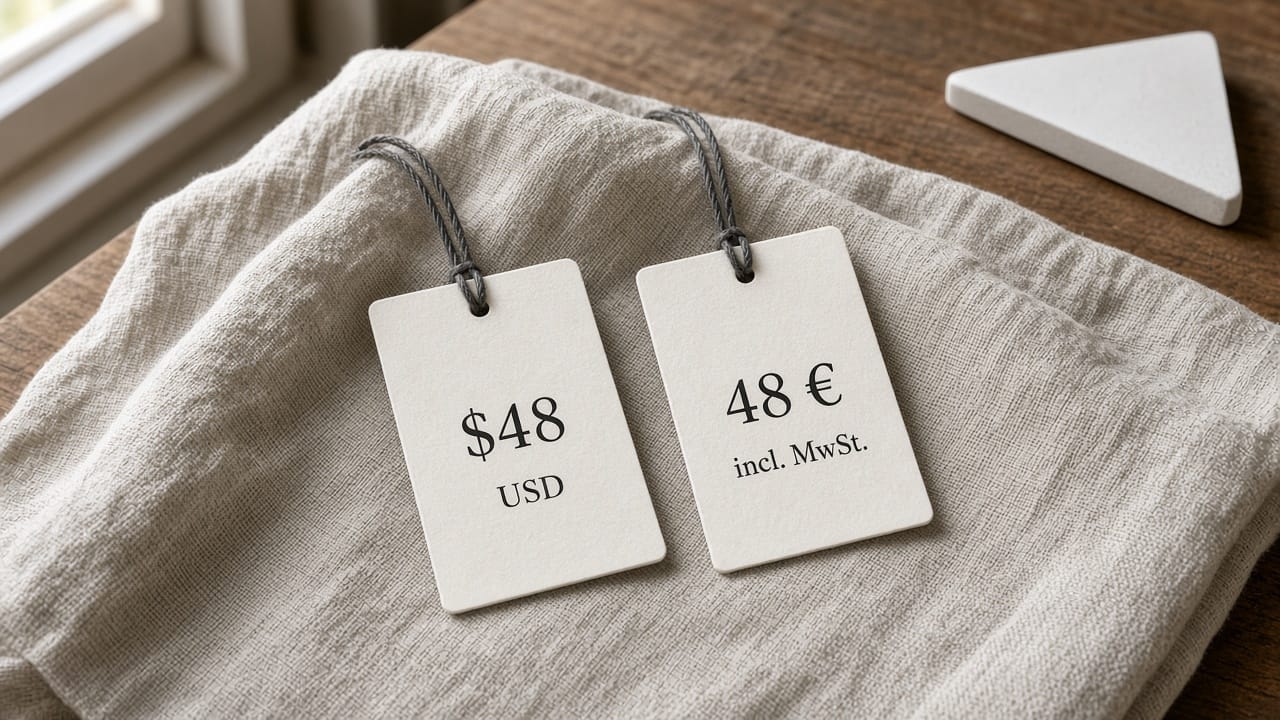
What actually has to change
Language is the first inch.
Then: currency and tax.
A €-price that is a converted dollar with no VAT line is a surprise at checkout — and Baymard has spent a decade showing that surprise extra costs are the leading abandonment reason (48%).
Then: units and size.
A US dress size on a DE page is not a translation error.
It is a returns machine. We already wrote that every return is a design review.
A size chart that was not localized is a design that failed before the warehouse.
Then: law.
Withdrawal rights, imprint, cookie consent, the address you must print.
A translated privacy policy that still talks about "state law" is not localized.
It is a risk.
Then: culture that is not decorative.
Payment methods people actually use.
Delivery promises you can keep in that postcode.
A campaign calendar that is not your US one with the headlines swapped.

Hreflang is not a feeling
If you operate more than one language, the machine needs to know which URL is for whom.
Google's own documentation is blunt about this: hreflang annotations exist so the correct regional page is offered.
A single English URL with a flag icon is not an international site.
It is a hope.
How we think about it at BuonaLabs
We do not "add DE" as a filter.
We rebuild the facts that change at the border: price, tax, size, policy, payment, tone.
The copy is the last thing, not the first.
If the catalog cannot tell the truth in that market, we do not ship the language.
Translation is a craft.
Localization is a store.
Sources
https://csa-research.com/Featured-Content/For-Global-Enterprises/Global-Growth/CRWB-B2C
https://baymard.com/lists/cart-abandonment-rate
https://developers.google.com/search/docs/specialty/international/localized-versions
BuonaLabs is a digital innovation studio in Lübeck, Germany, building product pages, digital twins, and commerce experiences that try to tell the truth about the object. If this is the work you are trying to do, let's talk.