
Packaging Is a Webpage
The box is the first physical page of the site. Most brands spend months on the URL and a week on what lands on the table.

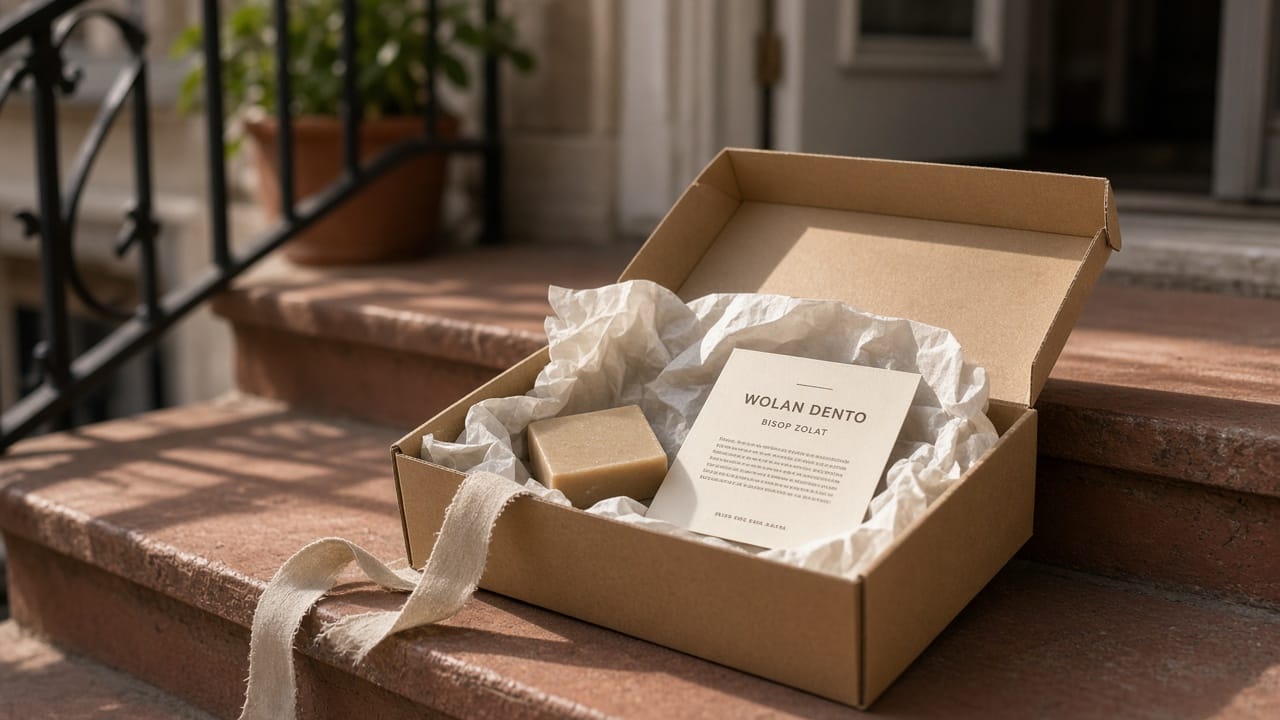
The box is the first physical page of the site.
It has a hero, a headline, a legal footer, and a moment of silence.
Most brands spend months on the URL and a week on the thing that lands on the table.
Unboxing is not a trend.
It is a landing.
Someone waited.
Someone paid.
The site is gone.
What remains is cardboard, type, a smell, a fold.
If that object is generic, the site was a trailer for a film that was never made.
The first number that is not romantic
Dotcom Distribution's 2015 packaging survey — 1,000 U.S.
consumers, still the figure the industry repeats — found that 40% said packaging strongly influenced whether they would buy from that retailer again, and 52% were likely to make a repeat purchase when the unboxing felt premium.
The date is on the citation because it is old.
The behavior has not gone out of fashion.
It has gone on TikTok.
Treat it as a directional study, not as a 2026 census.
The direction is enough: the box is a retention surface.
It is also, now, a legal one.
The law caught up with the ribbon
The EU's Packaging and Packaging Waste Regulation (PPWR, Regulation (EU) 2025/40) is in force.
Recyclability, recycled content, restrictions on surplus, labeling — the pack is no longer a free advertising medium.
It is a specified object.
That is good news for anyone who already thought like a designer of things.
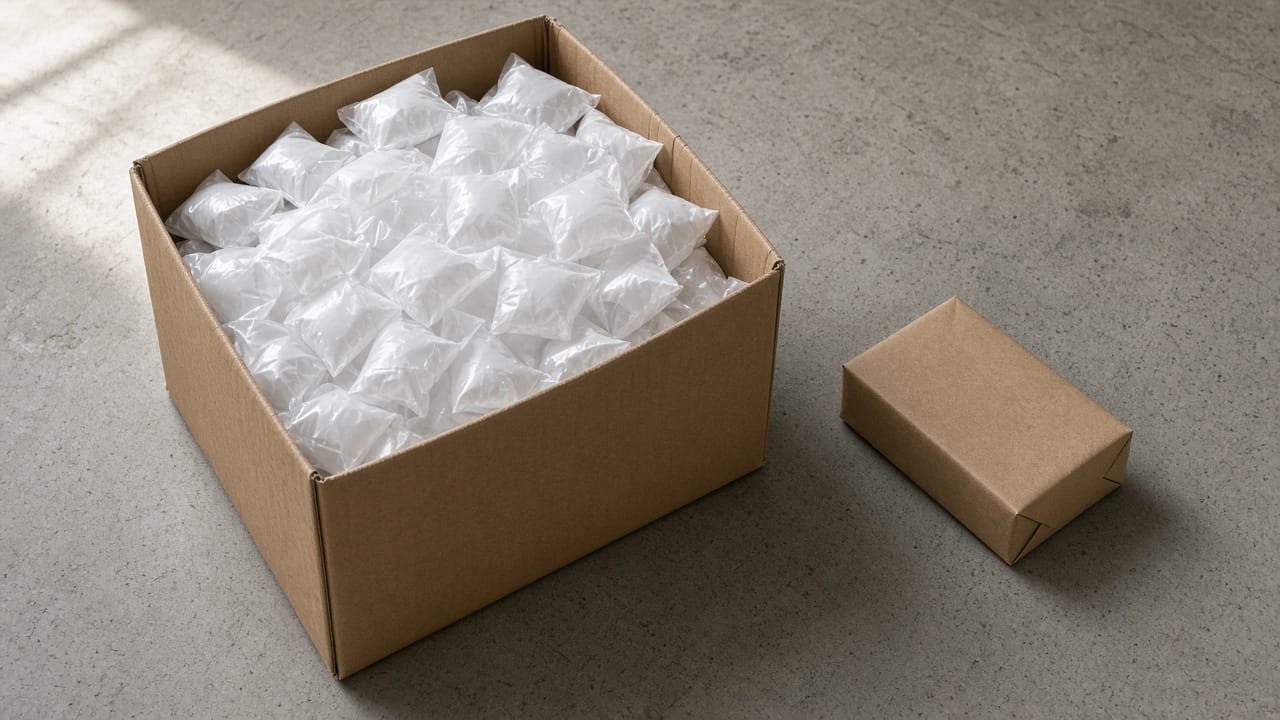
A void-filled carton that exists to look generous is about to be an expensive habit.
A smaller, truer pack that still feels considered is the work.
What the page and the pack share
Both have a first screen.
On the site it is the hero.
On the pack it is the lid.
Both have type that must work at a glance.
A logo that disappears in a hallway is the same error as grey type on a grey PDP.
Both have a footer.
On the site: imprint, returns, cookies.
On the pack: disposal, ingredients, the address that must be true.
Both can lie.
A site that photographs the bottle larger than it is has a twin in a box that is twice the product.
We already argued that every return is a design review.
A pack that does not protect, or that cannot be opened without a knife, or that cannot be recycled in the city you ship to, is a review you will get whether you asked or not.
Design the unboxing like a template
One photograph that is honest about size.
One sentence that is not a slogan — what this is, what to do first.
A return path that does not require hunting a PDF.
A material you can defend under PPWR, not just under a moodboard.
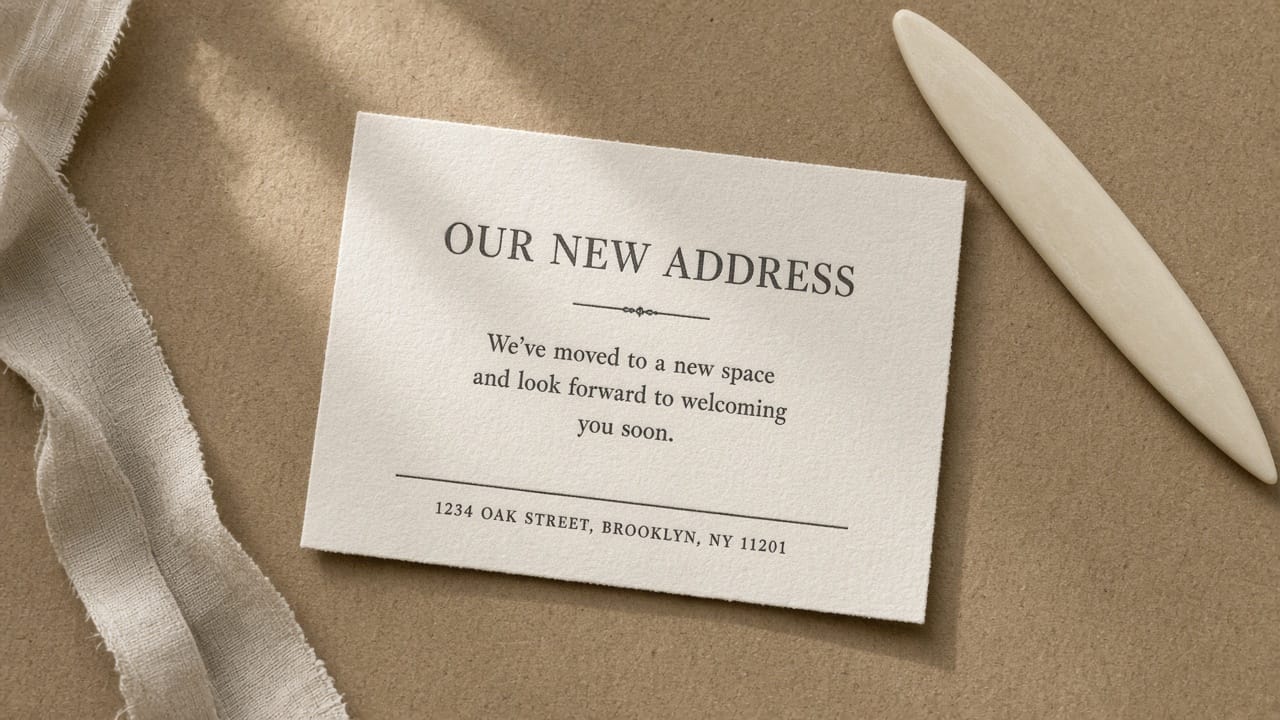
The insert card is a webpage that cannot 404.
Write it like you mean to keep it.
How we think about it at BuonaLabs
We put pack in the same conversation as PDP.
Same type family when we can.
Same claim language.
Same refusal to decorate the void.
If the site is careful and the box is a courier default, the brand ended at checkout.
Packaging is a webpage.
It just does not have a bounce rate.
It has a bin.
Sources
https://www.prweb.com/releases/2015/05/prweb12731207.htm
https://eur-lex.europa.eu/eli/reg/2025/40/oj
BuonaLabs is a digital innovation studio in Lübeck, Germany, building product pages, digital twins, and commerce experiences that try to tell the truth about the object. If this is the work you are trying to do, let's talk.