Payment Is a Doorway
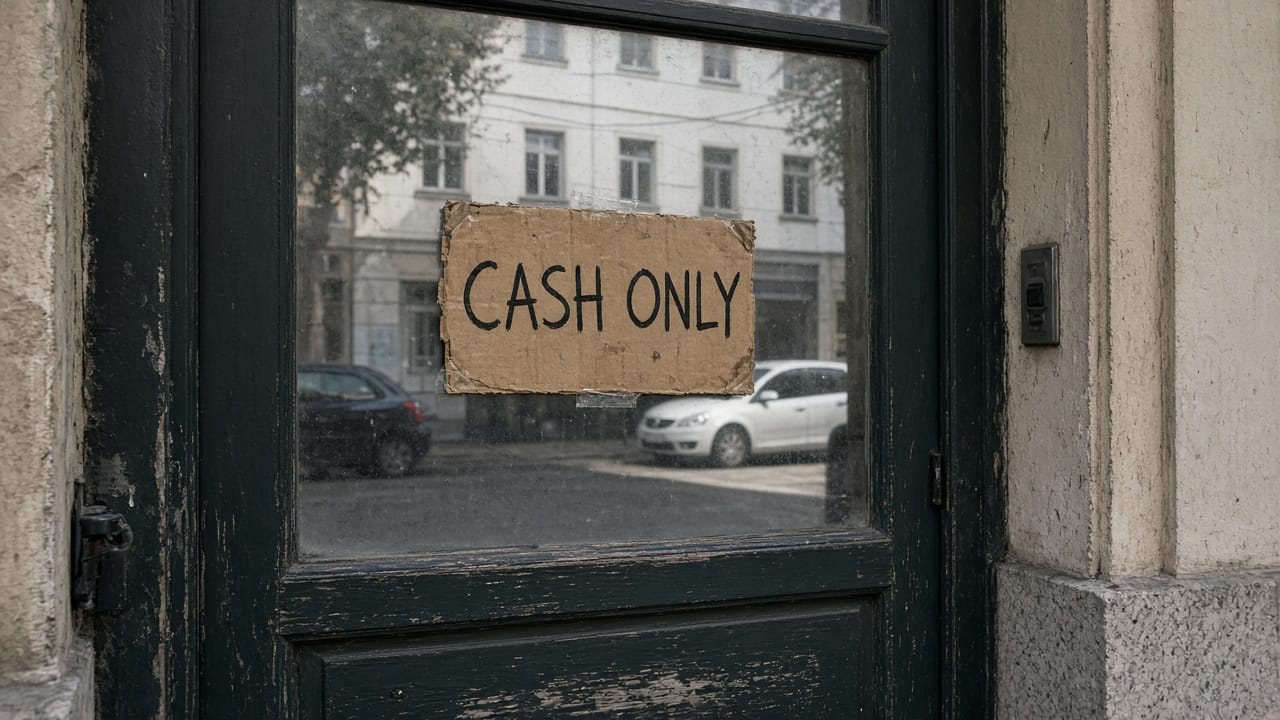
A checkout that only takes the card you prefer is a shop that only takes cash. The person at the till already decided.

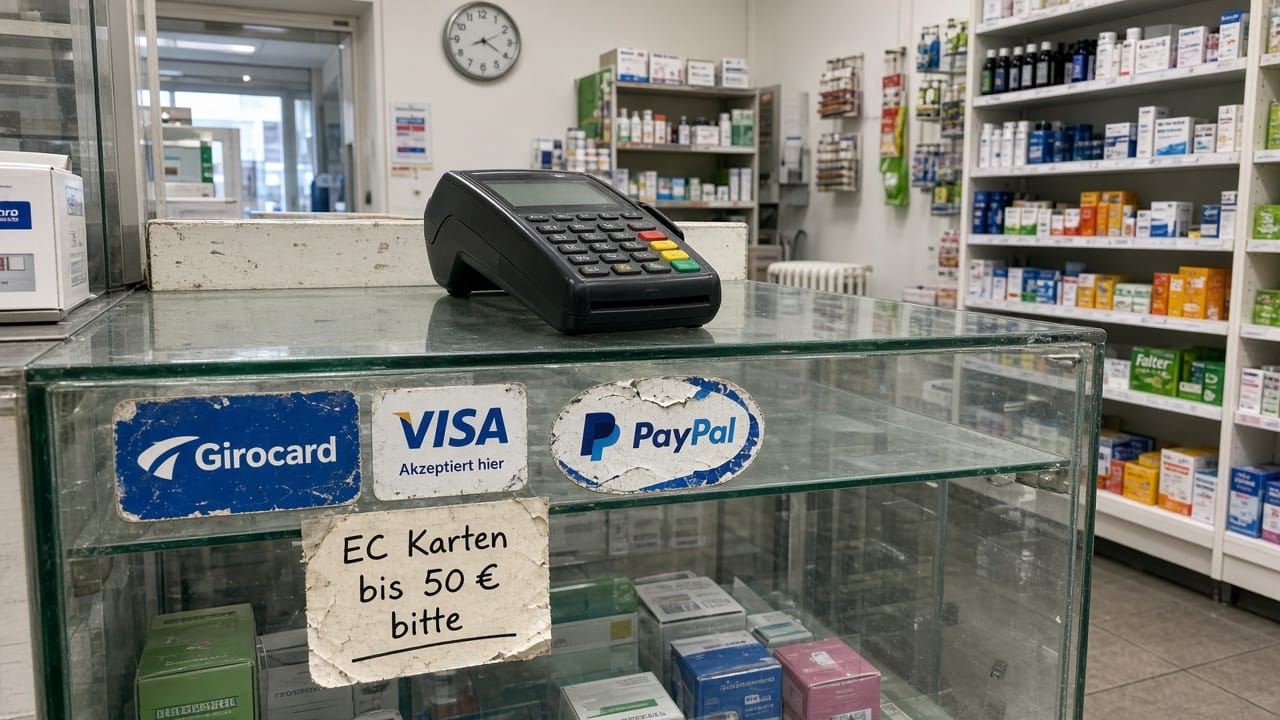
A checkout that only takes the card you prefer is a shop that only takes cash.
The person at the till already decided.
You asked them to pay in a language they do not speak.
The last screen is not a form.
It is a door with a lock you chose.
Some people have the key. Some people have a different one — a wallet, a bank transfer, a buy-now-later they actually use.
If the lock does not fit, they do not go home and fetch another card.
They leave.
A product page can be honest and still lose the sale here.
The bottle was right.
The size was right.
Then the till spoke a dialect the customer does not keep in their wallet.
What people actually walk away for
Baymard's abandonment list (updated 22 Sep 2025) puts 9% of the non-browsing reasons as there weren't enough payment methods.
Another 10% left because the card was declined.
That second number is a cousin of the first.
A decline is often a person who would have paid another way, if another way existed.
Baymard's payment-method research is more specific.
In a 2023 study of 2,219 US shoppers, 11% had abandoned a checkout in the previous three months because the site did not offer the method they wanted. And 21% of sites in their benchmark fail to offer more than one payment method at all.
One lock.
One key.
A fifth of the shops.
That 21% is not a boutique problem.
It is a default install: the theme came with cards, so the shop sells cards.
The customer did not agree to that default.
What "enough" means in Europe
Enough is not a logo farm.
It is the methods the customer in that market actually holds.
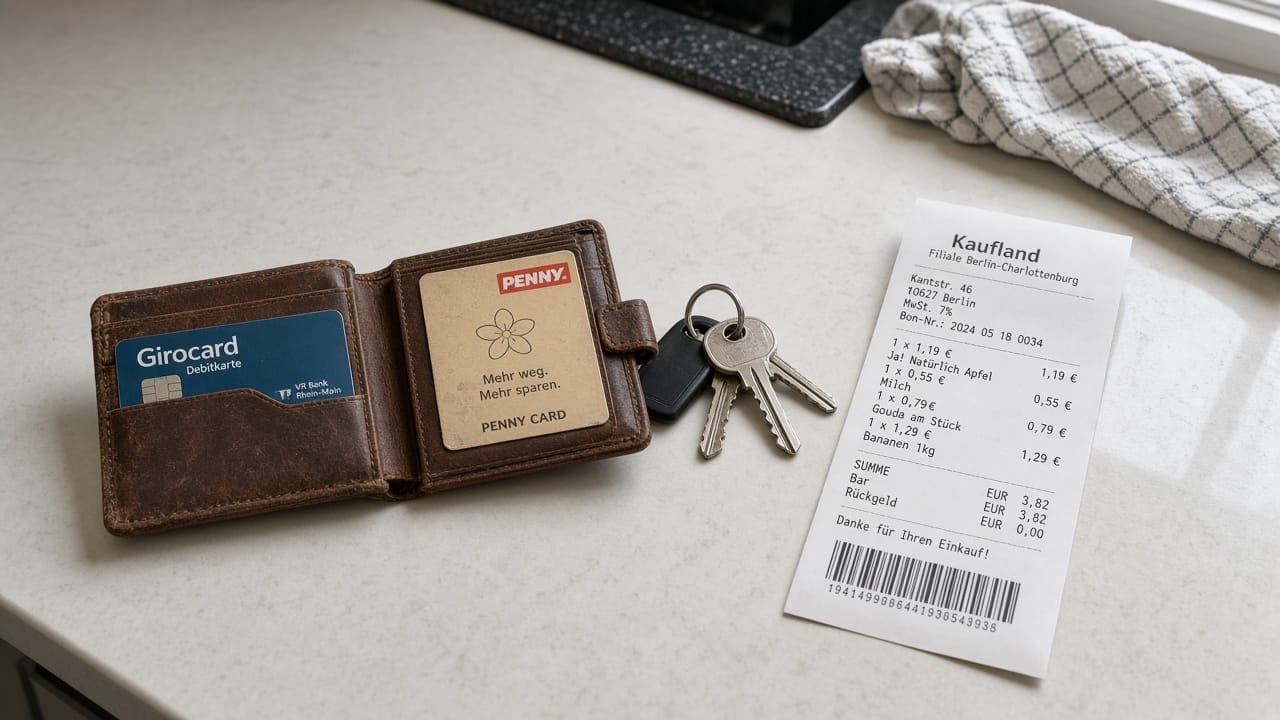
A German B2C page that is card-only is not being premium.
It is being American by accident. Invoice, SEPA, a wallet, a later-pay that is licensed here — those are doors, not decorations.
The same research notes that a third-party method is also a fallback when a card fails.
You do not only offer it for the people who prefer it.
You offer it for the people whose card just said no.
Show the methods before the form, not after a decline.
A person who has already typed sixteen digits will not start again for a logo they could not see from the cart.
How we think about it at BuonaLabs
We treat payment as part of the catalog.
The methods belong to the market, not to the designer's last Shopify install.
The primary button should say the method that will actually run, not a generic Pay that hides a surprise.
If a client wants "just Visa," we ask which customer they have agreed to lose.
Payment is a doorway.
Build more than one, or admit you have a club.
Sources
https://baymard.com/lists/cart-abandonment-rate
https://baymard.com/research-articles/payment-method-selection
BuonaLabs is a digital innovation studio in Lübeck, Germany, building product pages, digital twins, and commerce experiences that try to tell the truth about the object. If this is the work you are trying to do, let's talk.