
A Website Should Weigh Something
The median page is no longer a page. It is a download. A three-megabyte store is not luxurious. It is rude.

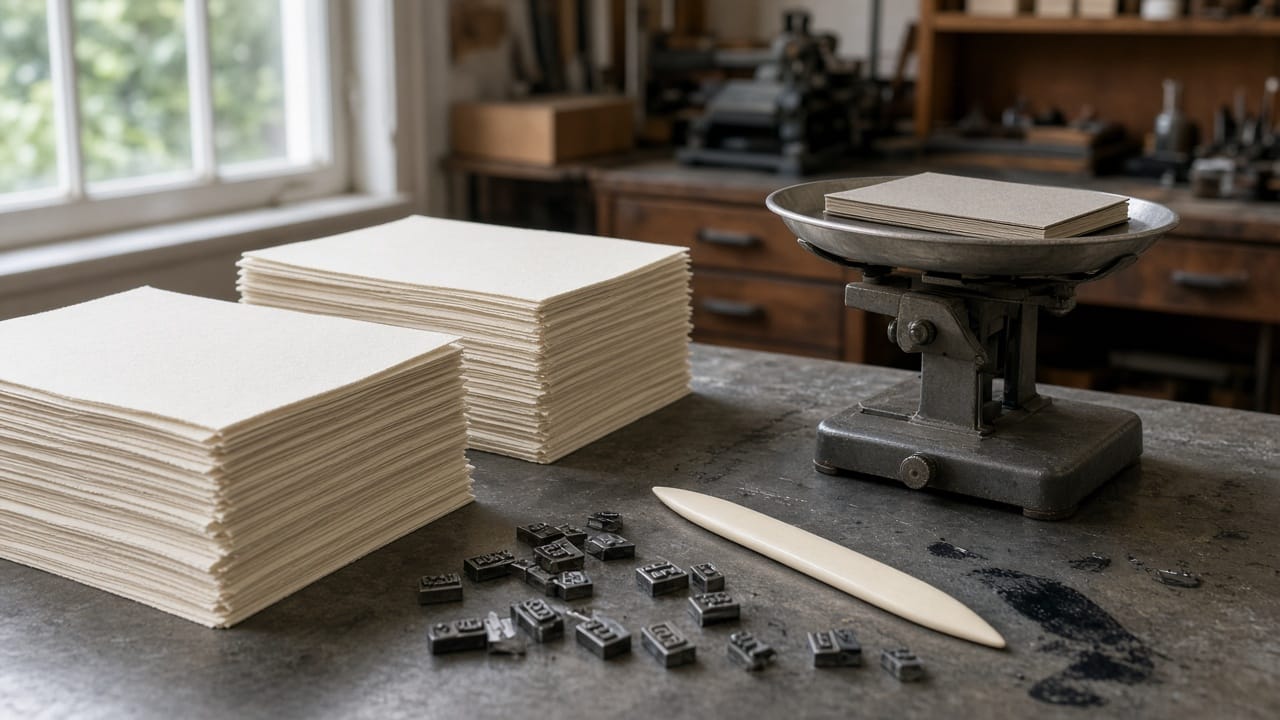
The median page is no longer a page.
It is a download.
If you sell beauty, furniture, or anything that depends on a feeling of care, a three-megabyte store is not luxurious.
It is rude.
Luxury used to mean weight.
A bottle with glass thick enough to sit.
A catalog that bent the postman's bag.
A card you could not fold with one hand.
The website took the opposite direction.
It got heavier in bytes and lighter in presence. You wait, and when it arrives it still feels thin — because the weight went into scripts, not into the thing.
What "median" actually means now
HTTP Archive's 2025 Web Almanac, using the July 2025 crawl, puts the median desktop page at 2,857 KB and the median mobile page at 2,562 KB.
That is the middle of the web, not the worst of it.
Half the pages are larger.
The same chapter records that on mobile, images are 1,255 KB of that median — the single largest slice.
JavaScript is 592 KB.
On desktop, images are 1,289 KB and JavaScript 696 KB.
You are not paying for prose. You are paying for pictures that were never resized and scripts that were never questioned.
HTTP Archive's July 2025 history shows desktop median page weight up 10% year on year, to 2,858 KB.
The web is not getting lighter as networks get faster.
It is eating the slack.
This is not a lab number.
It is what a customer on a train, or in a kitchen with two bars, is asked to swallow before they see a price.
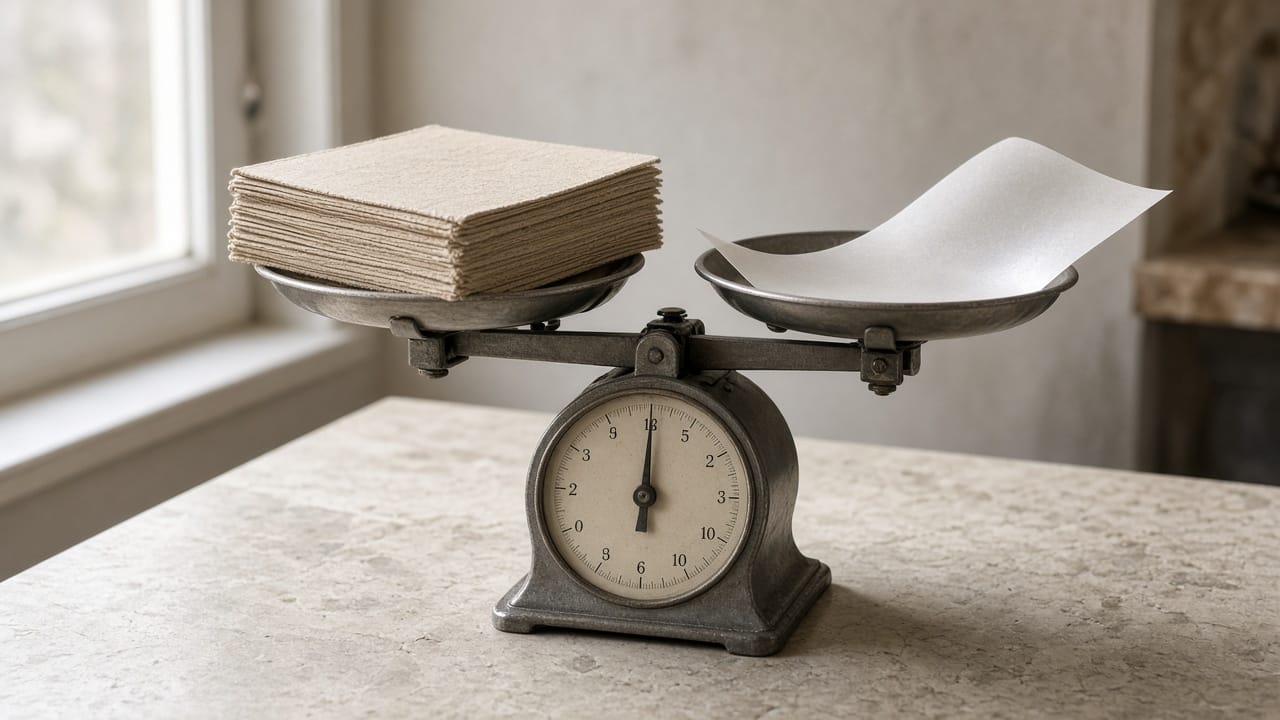
Weight is a brand decision
A three-megabyte homepage is a claim about whose time matters.
It says the campaign film is more important than the person on LTE.
It says the third analytics tag is more important than the first paint.
Chrome's own guidance still flags pages over 5,000 KB as a Lighthouse problem.
That is a ceiling, not a target.
A store that sells a €48 serum does not need to arrive like a game install.
The cruelty is that the heaviest pages often belong to the brands that talk most about craft.
They photographed the glass.
They forgot the payload.
What "weigh something" actually means
We do not mean starve the page until it looks like a PDF.
We mean:
- One hero that earns its kilobytes, not five that don't.
- Images that exist at the size they are shown, not at the size the studio exported.
- JavaScript that does a job the customer asked for.
- A first screen that is readable before the rest of the circus arrives.
Weight, used well, is the opposite of bloat.
A typeface with a real italic.
A photograph that is sharp because it is one photograph.
Space that is empty on purpose.
The analog analog is the catalog.
The good ones were heavy because of paper.
The bad digital ones are heavy because of neglect.
How we think about it at BuonaLabs
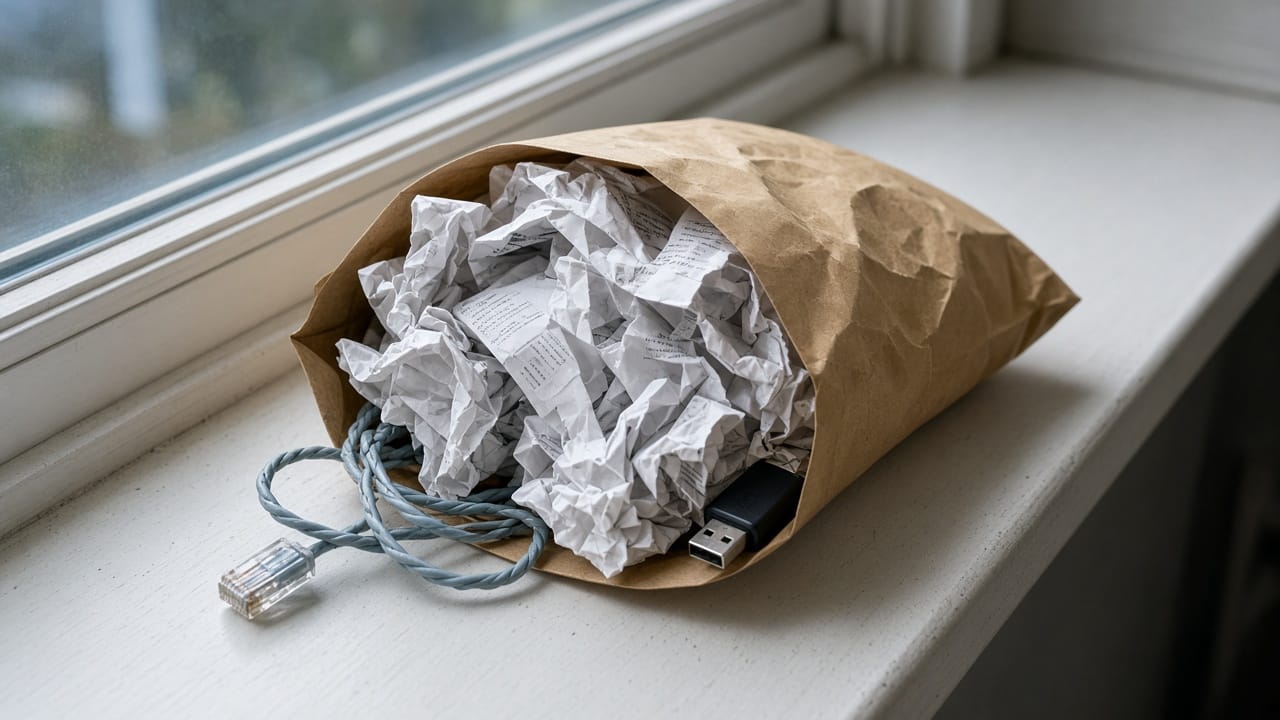
We treat payload as part of the material specification, next to paper stock and glass.
If a page cannot justify its megabytes the way a bottle can justify its weight, it gets cut.
The customer should feel the care in what remains, not in how long they waited for it.
A website should weigh something.
Not everything.
Sources
https://almanac.httparchive.org/en/2025/page-weight
https://httparchive.org/reports/page-weight
https://developer.chrome.com/docs/lighthouse/performance/total-byte-weight
BuonaLabs is a digital innovation studio in Lübeck, Germany, building product pages, digital twins, and commerce experiences that try to tell the truth about the object. If this is the work you are trying to do, let's talk.